National Historic Properties Redevelopment Programs (HPRP) Summit
America at 250: Forging Connections, Saving Places, Shaping the Future
National Historic Properties Redevelopment Programs Summit
April 22 – April 24, 2026
Philadelphia, Pennsylvania
Gather in Philadelphia, Pennsylvania, with colleagues from across the country engaged in historic property redevelopment work (a.k.a. revolving funds). This Summit will bring together non-profit practitioners and national experts to exchange ideas, learn about best practices, explore new models and identify sources of funding.
The National HPRP Summit is presented in partnership with the 1772 Foundation.
Register for the National HPRP Summit Today!
HPRP Summit Registration:
Early Bird Rates Now Closed
HPRP Summit Registration: $300
NPPN Spring Retreat (April 20-22) AND National HPRP Summit (April 20-April 24): $550
Reception only: $75
Learn more about the Spring Retreat.
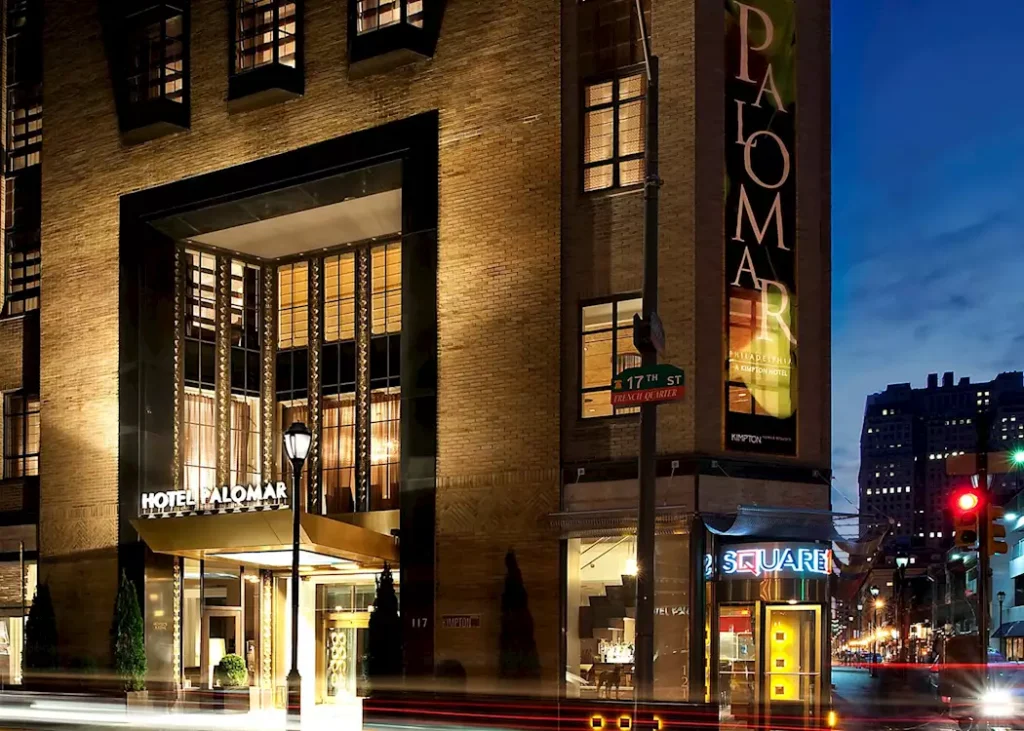
Conference Hotel: Kimpton Hotel Palomar
Hotel Details
The headquarters hotel for the NPPN Spring Retreat and National HPRP Summit will be the Kimpton Hotel Palomar, located in the Rittenhouse Square neighborhood. Historically known as the Architects Building, the 24-story Art Deco tower was completed in 1931 and was home to the Philadelphia Chapter of the American Institute of Architects for many years.
We have reserved a block of rooms for attendees with a rate of $209 per night. Both King and Double Queen bed options are available. If you would like to find a roommate to share a room, please let us know by sending an email to Info@PresPartners.org and we will connect you with other attendees seeking to share a room.
Rooms must be reserved by midnight on March 19th to qualify for this special rate. The hotel does have a 72-hour cancellation policy if your travel plans change prior to check-in.
You can book your room online HERE or by calling 1-800-KIMPTON and referencing our block code, QZB.
National HPRP Summit Schedule
Wednesday, April 22
Optional Afternoon Activities
2:30 p.m. – 3:30 p.m.
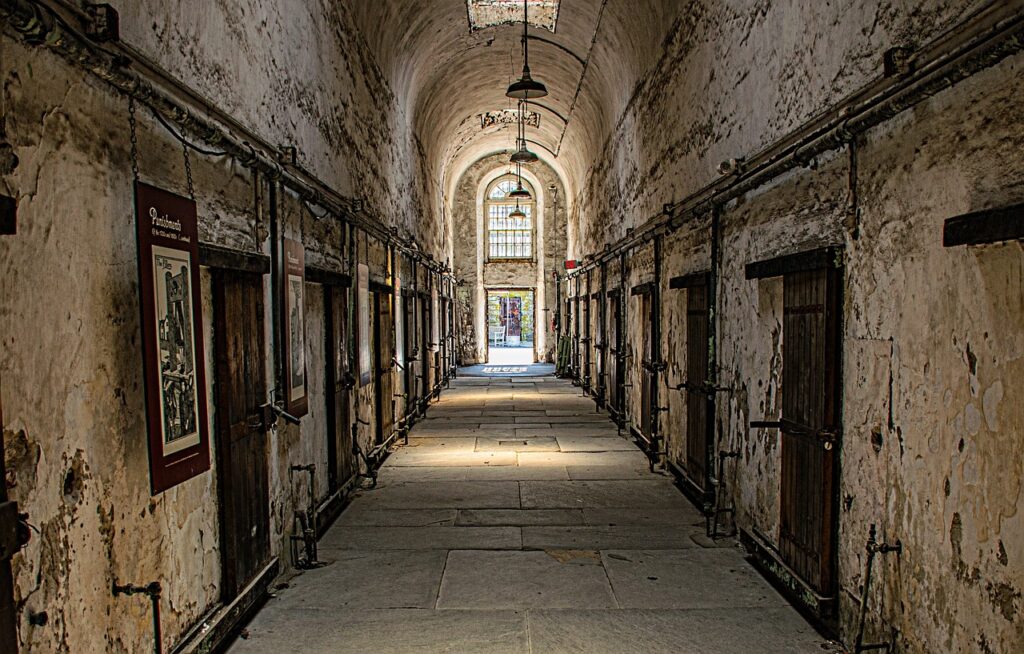
Eastern State Penitentiary
Visit with the Preservation Trades Training cohort at Eastern State Penitentiary, the world’s first penitentiary and a hub of public history, adaptive reuse, and workforce development.
2:30 p.m. – 4:30 p.m.
Walking Tour of Rittenhouse Square West
Contrast the many generations of high-rise apartment building architecture on the Square – representing every decade of the 20th century – with the smaller scale of the grand houses on nearby streets while walking past some of Philadelphia’s most fashionable brownstones.
2:00 p.m. – 3:30 p.m.
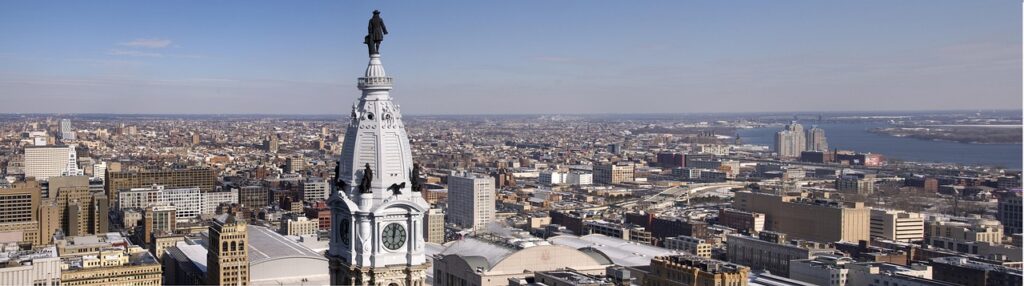
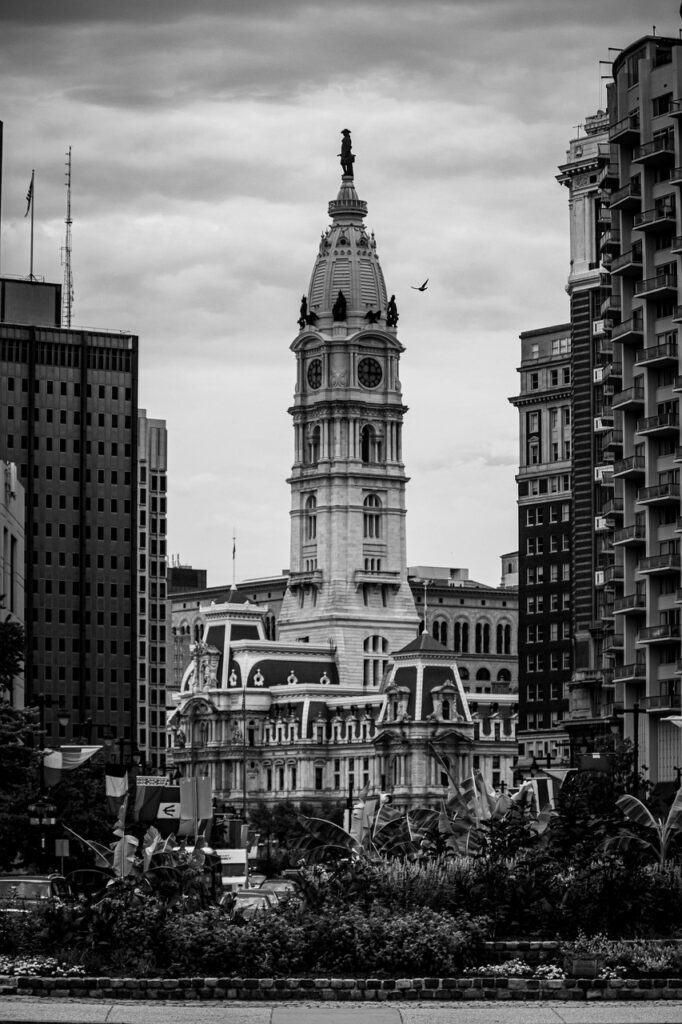
Tour of City Hall
Tour Philadelphia’s iconic City Hall, a Second Empire architectural gem that was the world’s tallest occupied structure when it was completed in 1901.
5:30 p.m.
Celebration Reception for NPPN Spring Retreat and HPRP Summit Attendees
One Penn Center, Future home of Preservation Alliance for Greater Philadelphia
Enjoy light bites and refreshments on the 17th floor of this 1930 Art Deco building in the heart of Philadelphia above Suburban Station with a terrace overlooking City Hall.
Thursday, April 23
8:30 a.m. – 9:15 a.m.
Check-In and Breakfast
9:15 a.m. – 10:00 a.m.
Getting to Know You: Attendee Introductions
10:15 a.m. – 11:15 a.m.
Stewardship Models for Historic Properties with Fairmount Park Conservancy
11:30 a.m. – 12:30 p.m.
Concurrent Breakout Sessions
Homeowner Repair Program: Julia W. Kiessling Historic Home Repair Program
Jennifer Robinson, Director of Preservation Services
Preservation Alliance for Greater Philadelphia
Description
The Julia Kiessling Historic Home Repair Program is a new initiative of the Preservation Alliance for Greater Philadelphia launched late 2025 after two years of program development. Hear about how the Preservation Alliance developed their forgivable loan program focused on historic property repairs from the ground up, including establishing qualifications, pilot neighborhood selection, marketing the program, and how their first round of projects is going.
Speaker Bio
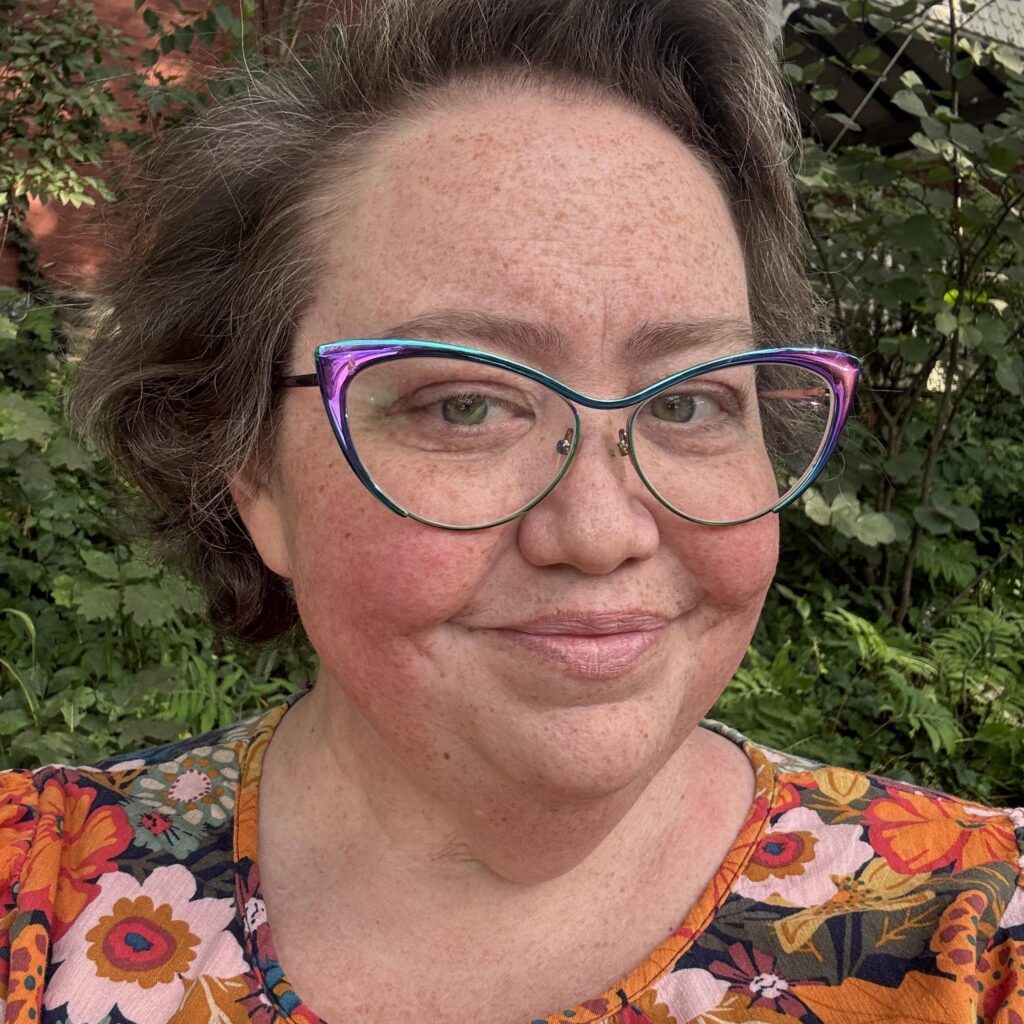
Jennifer Robinson serves as the Director of Preservation Services at the Preservation Alliance for Greater Philadelphia where she manages a 250-property easement portfolio, the newly created HPRP, the Philadelphia Fund for Black Sacred Places program, as well as numerous special projects. In addition to her work at the Preservation Alliance, Jennifer is also the Chair of the Pennsylvania State Review Board for National Register Nominations, and on the board of a historic schoolhouse and cemetery in northwest Philadelphia, on the moderation team for the Historic Preservation Professionals Facebook group. When she’s not saving old buildings (which is basically all of her time), she sews, quilts, knits, and sails.
Facilitating HPRP’s Through Legislative Advocacy
Nicholas Redding, President & CEO
Description
Historic property redevelopment programs often present organizations with many challenges to overcome. This holds true whether the program is just beginning or has existed for years. We all face decisions related to building and maintaining capacity, deciding on programmatic approach, establishing project pipelines, defining success, making a substantial impact, and—perhaps most crucially—sustaining our programs, not only for the important work they facilitate but for the people they help employ. Legislative advocacy can play a vital role in creating programmatic sustainability. It relieves dependence on philanthropic support, creates a broader, more collaborative network, resulting in diversified resources and expanded partnerships, establishes precedence, and helps to cement preservation as a legitimate and worthwhile solution at all levels. Hear from Nick Redding, President & CEO of Preservation Maryland, on how the organization has facilitated the work accomplished through its own program by building support, securing funds, and reducing red tape through legislative action.
Speaker Bio
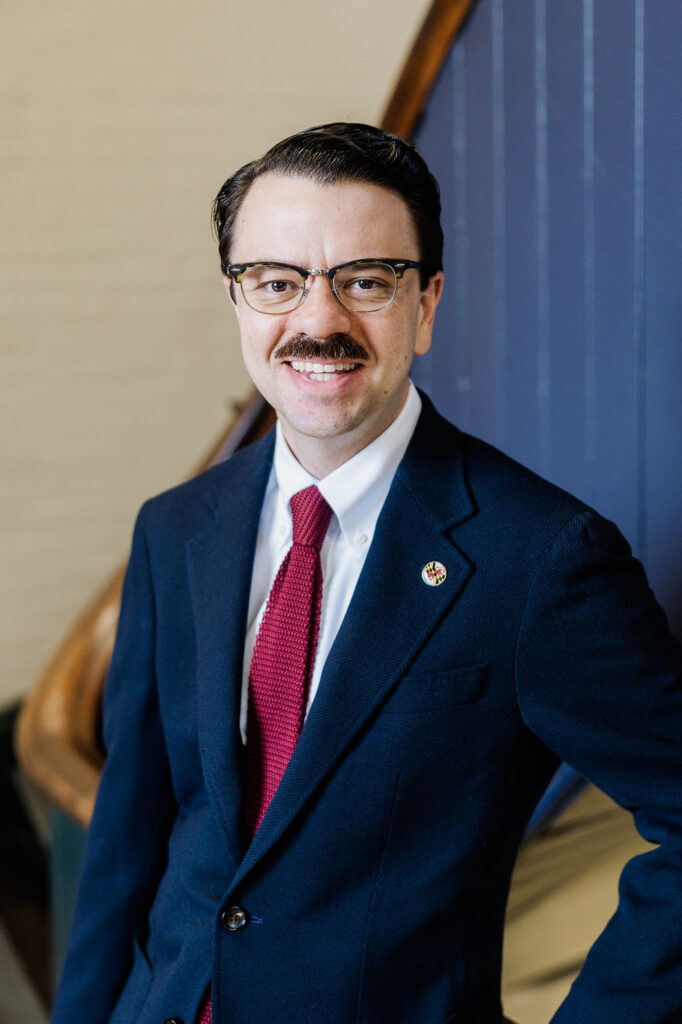
Nicholas is the President & CEO of Preservation Maryland and has led the organization since 2014. Since his arrival, he has overseen a complex merger and the subsequent creation of Smart Growth Maryland, a dynamic program of the organization. Additionally, he has worked in partnership with the National Park Service’s Historic Preservation Training Center to establish the Campaign for Historic Trades, a program dedicated to developing the next generation of traditional tradespeople. Outside of the organization, he has served as the chair of the National Preservation Partners Network, the national network of statewide and local preservation organizations. Previously he also served as the chair of the Maryland Partners for Open Space, the statewide open space advocacy coalition, and as the vice-chair of the Frederick County Historic Preservation Commission. He is a graduate of West Virginia’s Shepherd University and lives outside of Frederick, Maryland.
12:30 p.m. – 1:30 p.m.
Lunch & Featured Speaker
Michael Phillips, Director of Public Policy
1:45 p.m. – 2:45 p.m.
Concurrent Breakout Sessions
Preservation as Economic Development: Restoring Main Street One Building at a Time
Matt Wiederhold, Executive Director
Description
The Main Street program was created by the National Trust for Historic Preservation as a holistic approach to downtown revitalization and economic development. Achieving an authentic sense of place that respects and reflects the history of the built environment is a challenge in many communities, based on lack of available resources and local knowledge. Many Main Street programs rely heavily on local preservation leaders and historians for guidance on how to restore their downtown assets. Learn how historic preservation and authentic experiences combine to become an economic development engine for nearly 2,000 communities across America.
Speaker Bio
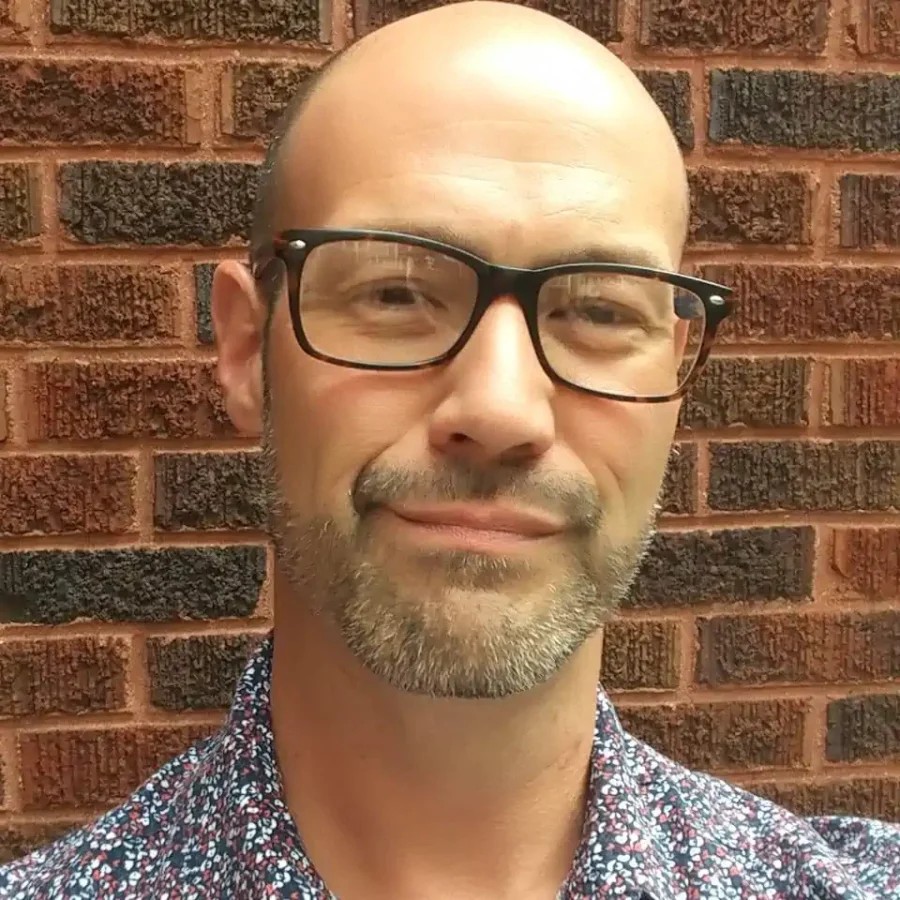
Matt Wiederhold has been involved in community development and revitalization for 20+ years, and is a graduate of the National Main Street Institute. He is the executive director of Heritage Ohio, the official State-wide historic preservation and downtown revitalization non-profit organization in Ohio, which oversees the Ohio Main Street Program. Previously, he served as the executive director of Main Street Medina, in Medina Ohio; project manager for the Gordon Square Arts District on the West Side of Cleveland, and an urban Main Street initiative in Toledo, OH. A graduate of the University of Toledo with a degree in art history, focused on American art and architecture from 1860-1930, his passions for history, design, and revitalization run deep. His hobbies include gardening, thrifting, and studying old buildings and local history. Matt is a serial rehabber, and he is currently restoring his sixteenth historic home with his husband, Joshua.
YIGBY: Yes in God’s Back Yard – Working with Congregations to Utilize Religious Properties for Housing and Community Benefit
Briana Paxton, Revitalization Policy Analyst
Description
You’ve probably heard of YIMBY (Yes in My Back Yard), but you may be less familiar with YIGBY – Yes in God’s Back Yard. As the affordable housing crisis deepens nationwide, communities are looking for solutions in unexpected places, including underutilized religious property. YIGBY is a growing movement that supports faith institutions in leveraging their land for housing and broader community benefit, an approach with enormous potential for impact. Yet many congregations lack expertise in real estate, zoning, and development, and are often hesitant to engage in policy or development conversations. This session will highlight YIGBY success stories, share original research, and feature a congregant whose faith community has successfully built housing.
Speaker Bio
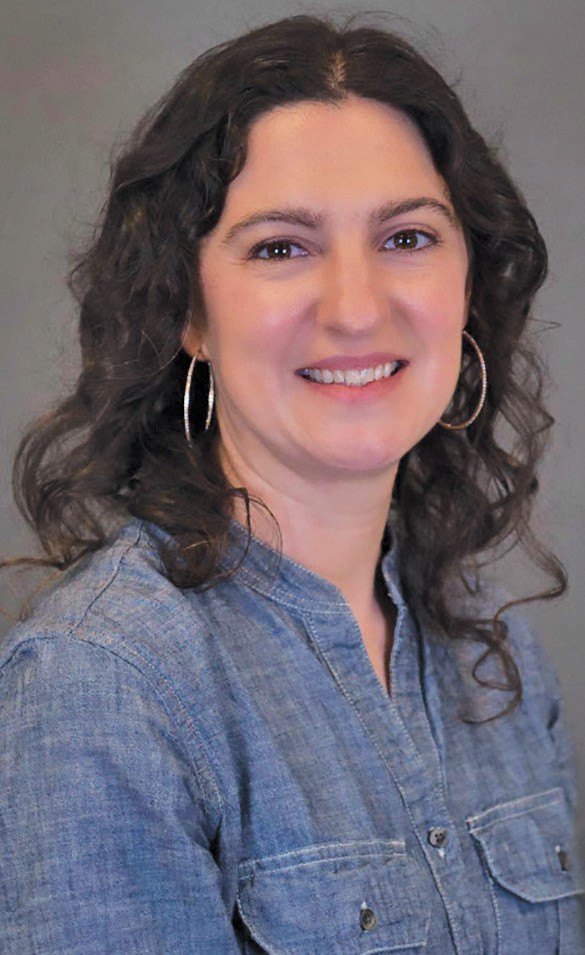
Briana Paxton is a historic preservation professional, housing advocate, and small-scale developer based in Savannah, GA. For her day job, she works remotely as a policy analyst for Preservation Maryland where she actively researches, develops, and advocates for policy innovations and regulatory systems that promote equitable and sustainable development. She previously worked in the private sector as a consultant with Ethos Preservation and PlaceEconomics. Briana serves as Chairwoman of Preservation Action, leading national efforts to secure sound federal preservation policy and is a former board member for the National Alliance of Preservation Commissions. She holds a Master’s in Historic Preservation from the University of Pennsylvania and a Bachelor’s from the College of William and Mary.
3:00 p.m. – 4:00 p.m.
Concurrent Breakout Sessions
Preservation Revelations: The Evolution of a Movement in North Carolina
Benjamin Briggs, President & CEO
Preservation North Carolina (PNC)
Details
Over 85 years, Preservation North Carolina (PNC) has protected nearly 950 historic properties across North Carolina. How has PNC grown, changed and evolved? What have been the highs and lows? When and how did PNC get into the transactional property business? Revolving fund? Endangered Property Program? HPRP? This session will focus on the broad timeline, challenges, and successes of one of the nation’s leading statewide preservation nonprofits.
Speaker Bio

Benjamin Briggs is President and CEO of Preservation North Carolina (PNC), an 86-year-old advocacy organization that operates an Endangered Properties Program as its flagship outreach initiative. PNC maintains protective easements and covenants on more than 900 properties, including a gold mill, a water treatment plant, a gymnasium, and numerous factories, houses, and storefronts. Before coming to PNC in 2023, Benjamin served as the executive director of Preservation Greensboro, president of the High Point Preservation Society, and chair of both the Guilford County and High Point preservation commissions. He earned an undergraduate degree in Architecture and Sociology from NC State University and a Master’s Degree in Preservation Studies from Boston University, where he held an internship with ICOMOS at the Australian Heritage Commission.
Cleveland’s Heritage Home Program: 34 Years in Development
Kathleen Crowther, President
Details
In this presentation, long-time President of the Cleveland Restoration Society will explain the development of the Heritage Home ProgramSM , a housing program that provides free homeowner technical assistance and low-interest loans. Now in its 33rd year of operation, the program started small but has been built into a large and productive county housing service. Along the way, the Society has accepted donated real estate and sued to prevent historic property deterioration.
Speaker Bio
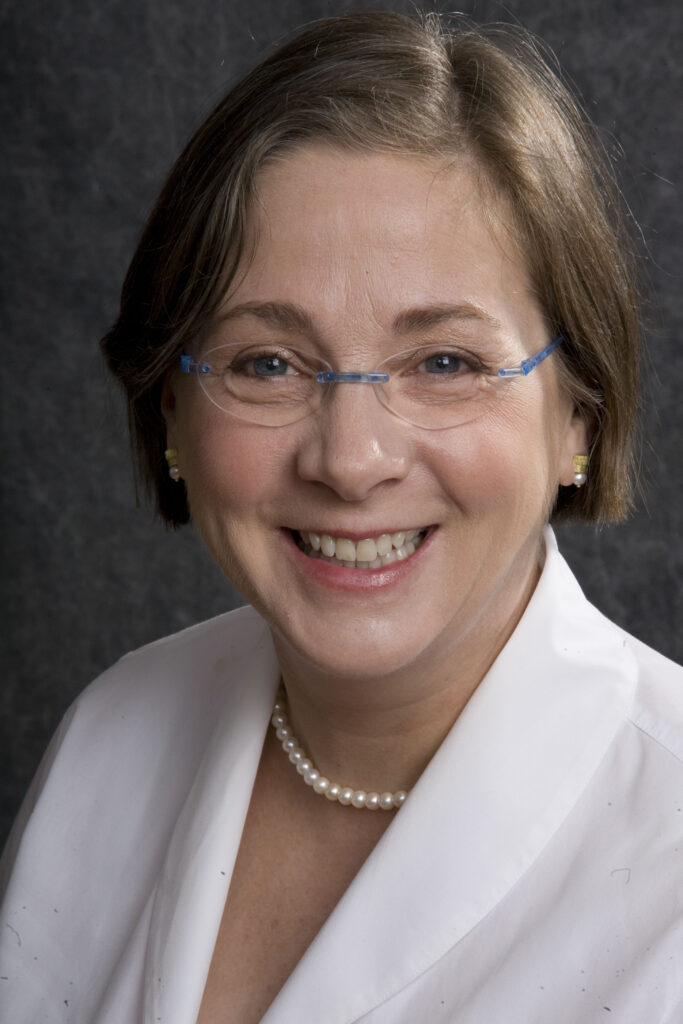
Kathleen H. Crowther is President of Cleveland Restoration Society, a regional historic preservation organization deeply involved in housing, sacred landmark preservation, African American heritage and public education. She has dramatically grown the organization from all-volunteer to a staff of 27 full and part-time employees. The Society’s signature program, the Heritage Home ProgramSM, provides technical assistance and low-interest loans to homeowners, helping tens of thousands of people and lending $100+ million. Kathleen has been involved with the National Trust for Historic Preservation and the International Council on Monuments and Sites (ICOMOS). She has been a Visiting Scholar at the American Academy in Rome.
4:15 p.m. – 5:30 p.m.
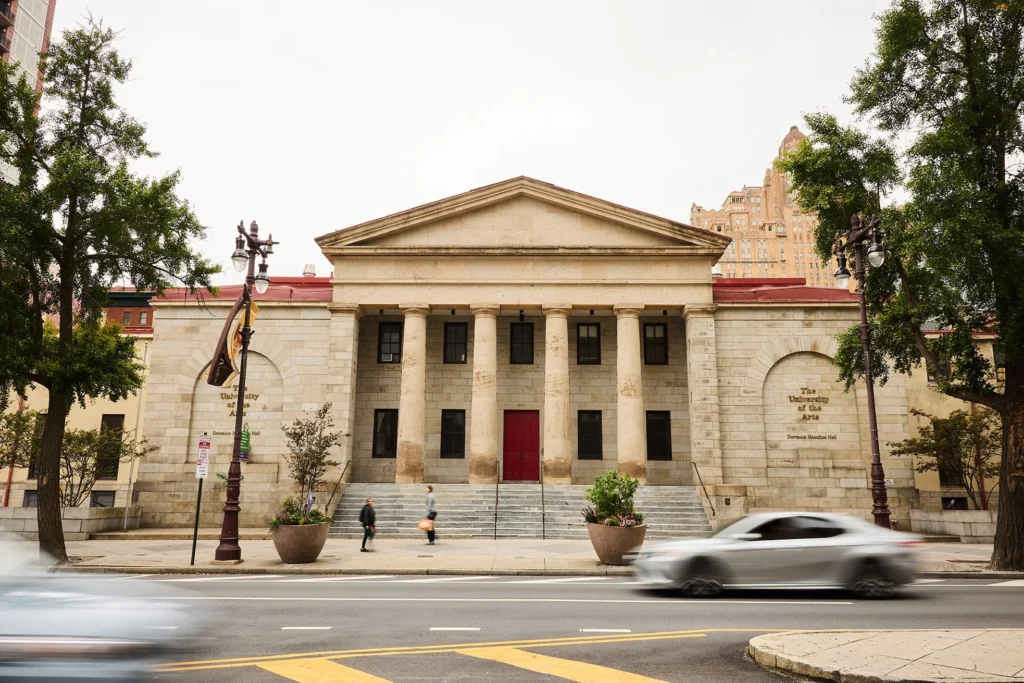
Tour of Village of Industry & Art, an adaptive reuse of the former University of the Arts Hamilton Hall
Lindsey Scannapieco, Managing Partner
Description
The Village of Industry & Art (VIA) is a new creative campus rising on Philadelphia’s Avenue of the Arts—a dynamic, evolving ecosystem for artists, makers, and mission-driven organizations at the intersection of culture, craft, and civic life. Developed by Scout, the project spans over 110,000 square feet across 1.9 acres, reactivating two iconic buildings—formerly Hamilton and Furness Halls of the University of the Arts—through an adaptive reuse approach that prioritizes affordability, minimal intervention, and community-first design. Inspired by Scout’s Bok Building model, VIA is not just a redevelopment; it is a living village for cultural production, where residential life, creative labor, and civic engagement coexist.
Speaker Bio
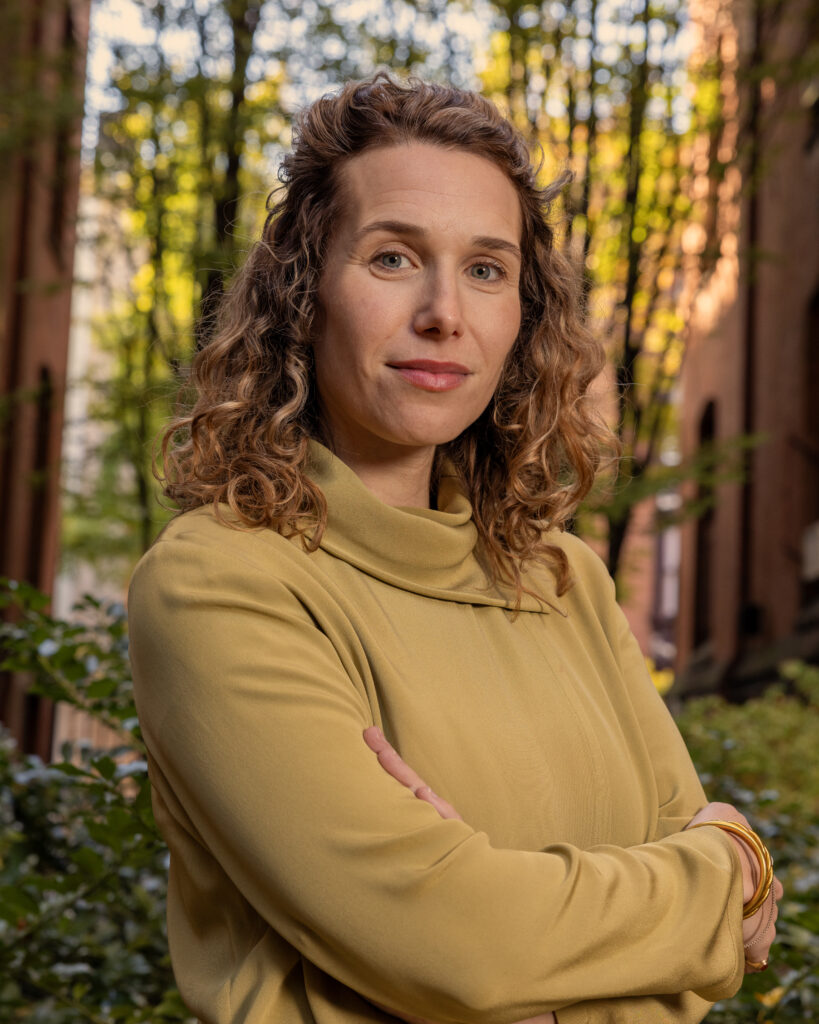
Lindsey Scannapieco is the Managing Partner and founder of Scout, a design and development practice headquartered in Philadelphia known for transforming underutilized spaces through creative programming and innovative reuse. Scout’s flagship project is the redevelopment of the historic Bok building into a thriving creative hub that now houses more than 200 tenants and welcomes over 250,000 visitors annually. Scout’s newest undertaking is the Village of Industry & Art, the reimagining of the former University of the Arts on the corner of Pine Street and South Broad Street – a true Temple to the Arts. Beyond large-scale redevelopment, Scout leads installations and engagement projects that expand the definition of place-based design. Lindsey serves as Co-President of the Friends of FDR Park and has been recognized with numerous honors, including the Girls Inc. Community Impact Award, ULI Philadelphia Emerging Leader, and Philadelphia Business Journal’s 40 Under 40. Lindsey holds a B.S. in Real Estate Finance from the University of Southern California and an MSc in City Design and Social Science from the London School of Economics.
5:30 p.m.
Dinner on Your Own
Friday – April 24
9:00 a.m. – 9:30 a.m.
9:30 a.m. – 10:15 a.m.
Breakfast
Featured Speaker
Learn about the Rev. Leon H. Sullivan Community Impact Center from Rev. Michael Major of Called to Serve CDC
10:30 a.m. – 11:30 a.m.
Concurrent Breakout Sessions
Eastern State Penitentiary Workforce Development Program
Liz Trumbull, Senior Director Preservation and Operations
Session Description
Hands-on pre-apprenticeship programs simultaneously create opportunities for community impact, investment in craftworkers, and building maintenance. Since 2018, Eastern State Penitentiary Historic Site has partnered with local trade unions, contractors, city- and community-based organizations to provide innovative paid training programs in masonry and carpentry. These pre-apprenticeship programs are designed to create pathways to living-wage careers for diverse Philadelphia residents historically underrepresented in the skilled trades. Join us for a discussion on the thoughtful creation of programs at the intersection of historic preservation and workforce development.
To learn about the Preservation Trades Center from program alumni onsite at Eastern State, you are invited to join us for a tour offered before this session at 2:30pm on April 22.
Speaker Bio

Liz Trumbull is the Senior Director of Preservation & Operations at Eastern State Penitentiary Historic Site, a museum interpreting the legacy of American criminal justice reform from the site of the world’s first penitentiary. Since 2018, Liz has been involved at all levels of preservation planning for the 11-acre National Historic Landmark, from ongoing maintenance to major stabilization and restoration campaigns. Liz founded the Preservation Trades Center at Eastern State to engage people underrepresented in the skilled trades in paid, on-the-job preservation training while forging connections to long-term careers in the skilled trades.
Liz earned her Master of Science in Historic Preservation from the University of Pennsylvania where she lectures, and holds a Bachelor of Science in Civil Engineering from Northwestern University. She serves as a director on the board of the Association for Preservation Technology – Delaware Valley Chapter. She is published in Carceral Architecture, Construction Today, and Examining the Built World through Architectural Finishes.
Due Diligence: Evaluating Buildings for Redevelopment Potential
Elizabeth Rosin, Senior Vice President, Business Strategy
Description
How do you know if a building is a good candidate for historic rehabilitation? Can you anticipate potential pitfalls and steer clear of setbacks? We will explore how to evaluate a building being considered for redevelopment. How can you identify red flags before they become problems to help the team make solid decisions and keep the project on track.
Speaker Bio
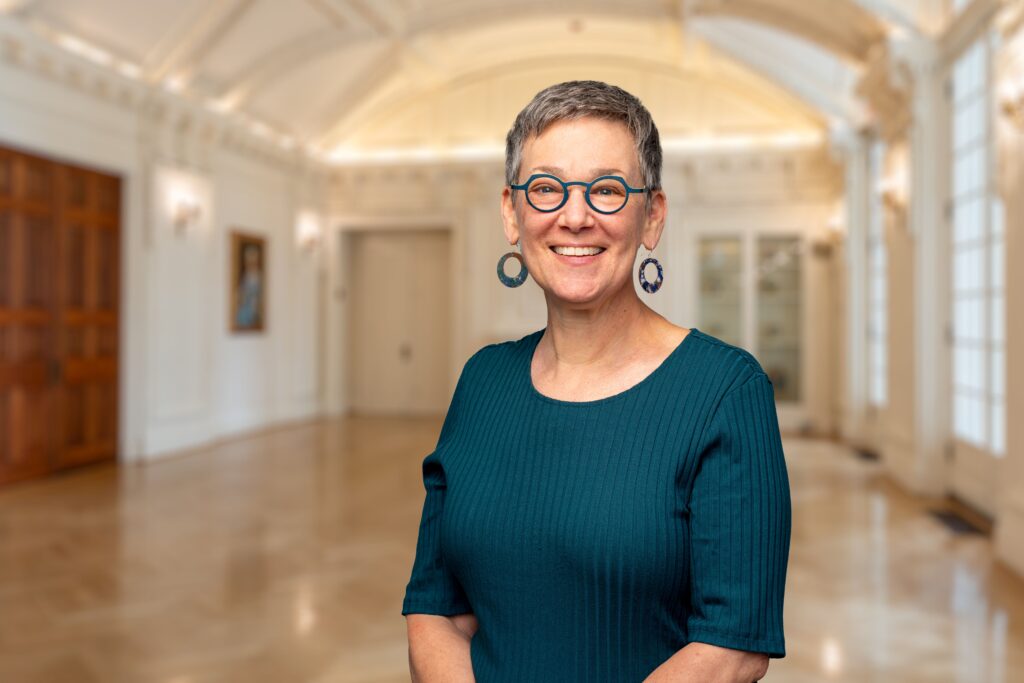
Elizabeth joined Heritage Consulting Group in 2024 as a senior vice president. She harnesses her decades of expertise to develop and maintain relationships with clients, to educate the general public and elected officials about the value of historic preservation, and to advocate for historic tax credits and other historic preservation programs and policy. She is regularly invited to speak to local, regional, and national groups about these and other topics. Prior to joining Heritage, Elizabeth founded Rosin Preservation and served as president.
11:30 a.m. – 12:00 p.m.
Networking Break
12:00 p.m. – 1:00 p.m.
Featured Speaker
Preservation Easements: Perfection Standing in the Way of Good
Myrick Howard, President Emeritus
Description
Preservation easements are in many ways the best tool in our arsenal, and yet many preservation groups shy away from them. Instead of asking how can we use easements to permanently protect important historic properties, we quibble about fees, IRS audits, enforcement issues, and other potential roadblocks that ultimately lead to inaction. Do we really need to get an A+ in every class? Isn’t a B+ sometimes perfectly fine? Myrick Howard, retired president of Preservation North Carolina, will provide food for thought about why every preservation organization might want to consider having a dedicated staff person for easements.
Speaker Bio
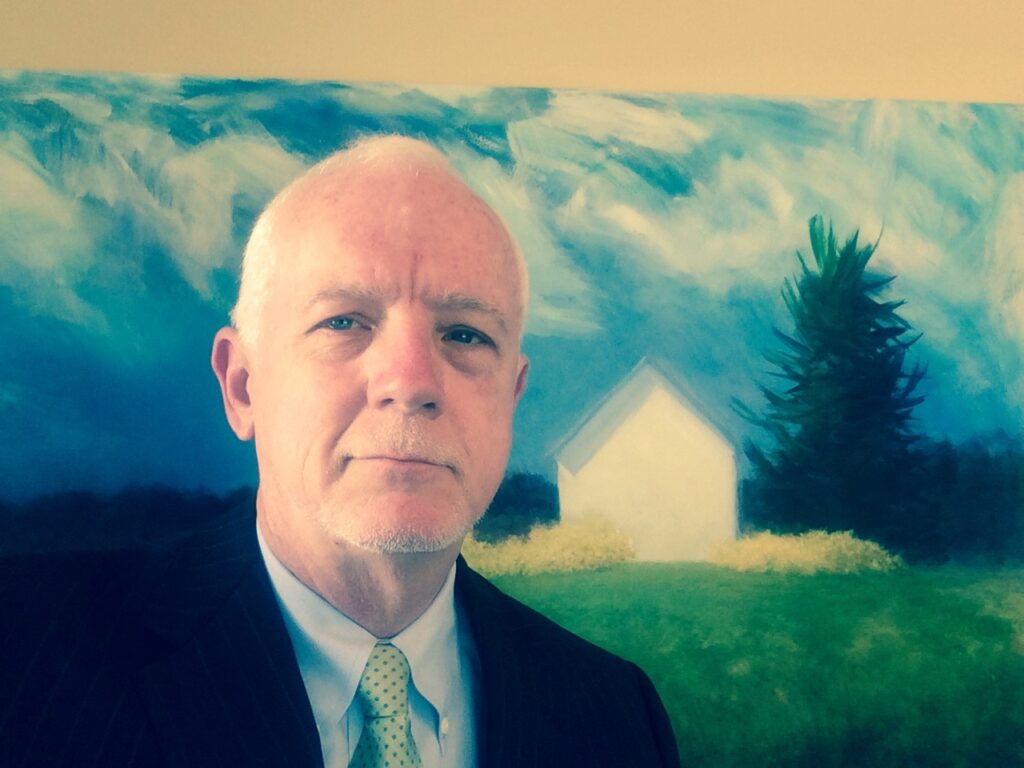
From 1978 to 2023, Myrick Howard served as President of Preservation North Carolina, the state’s only statewide private nonprofit preservation organization. During his tenure, Preservation NC became one of the nation’s largest and most prestigious statewide preservation organizations. The National Park Service referred to Preservation North Carolina as “the premier statewide preservation organization in the South — if not the nation.”
A Durham native, Myrick attended Brown University and the University of North Carolina at Chapel Hill, where he received his Master’s degree in city planning and a law degree in 1978. In 2006, he participated in the Executive Program for Nonprofit Leaders at Stanford University’s Graduate School of Business. In the fall of 2024, he entered Duke University’s Graduate Liberal Studies program.
Since 1988, he has taught a graduate seminar on Historic Preservation Planning each year at the University of North Carolina at Chapel Hill. His book Buying Time for Heritage, now in a new edition from UNC Press, is used extensively around the country in preservation education programs.
Through the years, Myrick has received a number of national, statewide and local awards, including the 2023 Louise DuPont Crowninshield Award from the National Trust for Historic Preservation, the nation’s highest preservation award. He was also named 2023 Tar Heel of the Year by the (Raleigh) News and Observer. In 1996, he was inducted into the Order of the Long Leaf Pine by Gov. James B. Hunt, Jr.
Myrick lives in a 1939 historic duplex, his eighth renovation.
1:30 p.m. – 2:15 p.m.
Group takes train and walks to Philly Office Retail in Wayne Junction together (train fare included in registration)
2:15 p.m. – 3:15 p.m.
Jumpstart Real Estate Program
Meet Ken Weinstein and learn about his Jumpstart real estate program and other efforts to revitalize Philadelphia.
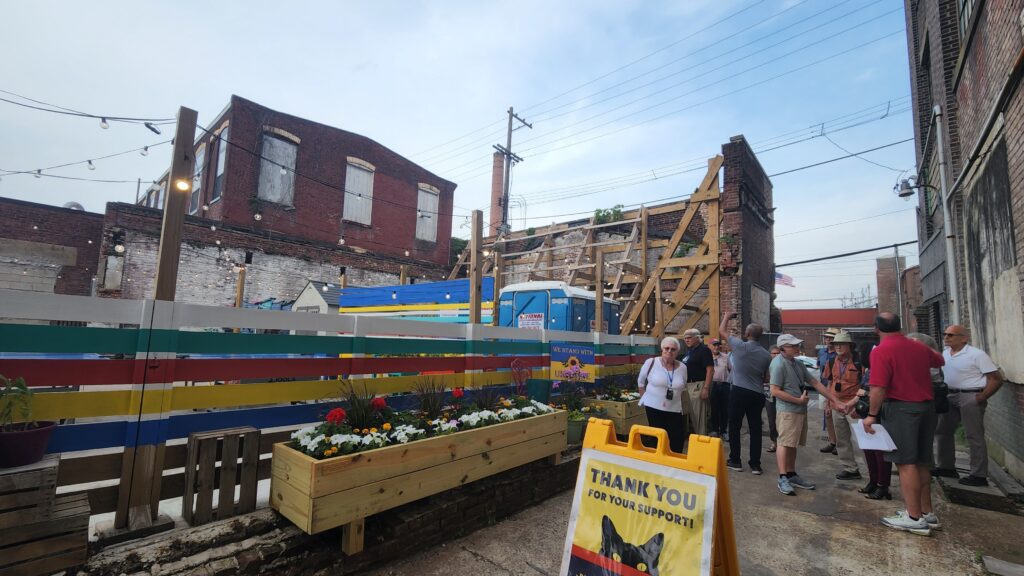
3:15 p.m. – 4:30 p.m.
Walking tour of Wayne Junction
Description
The Wayne Junction Historic District, bordering lower Germantown and upper Nicetown, was once a bustling Philadelphia industrial center known as “Workshop of the World.” In the later decades of the 1900s, Wayne Junction experienced disinvestment and decline as manufacturing moved elsewhere, leaving many of the buildings vacant and deteriorated. Join real estate developer Ken Weinstein for a tour of the historic Wayne Junction area to get a closer look at his redevelopment projects while experiencing Philadelphia’s historical importance in the 19th and 20th centuries, and the hope and potential for Wayne Junction’s future.
5:00 p.m.
Closing Reception
137 Berkley St
End your walking tour with a reception at Deke’s Bar-B-Que with your colleagues to talk about what you’ve learned and make connections for the future. From Deke’s Bar-B-Que it’s an easy walk to the train back to the hotel.
Thank you to our generous sponsors!